Black
Visual
Grammar
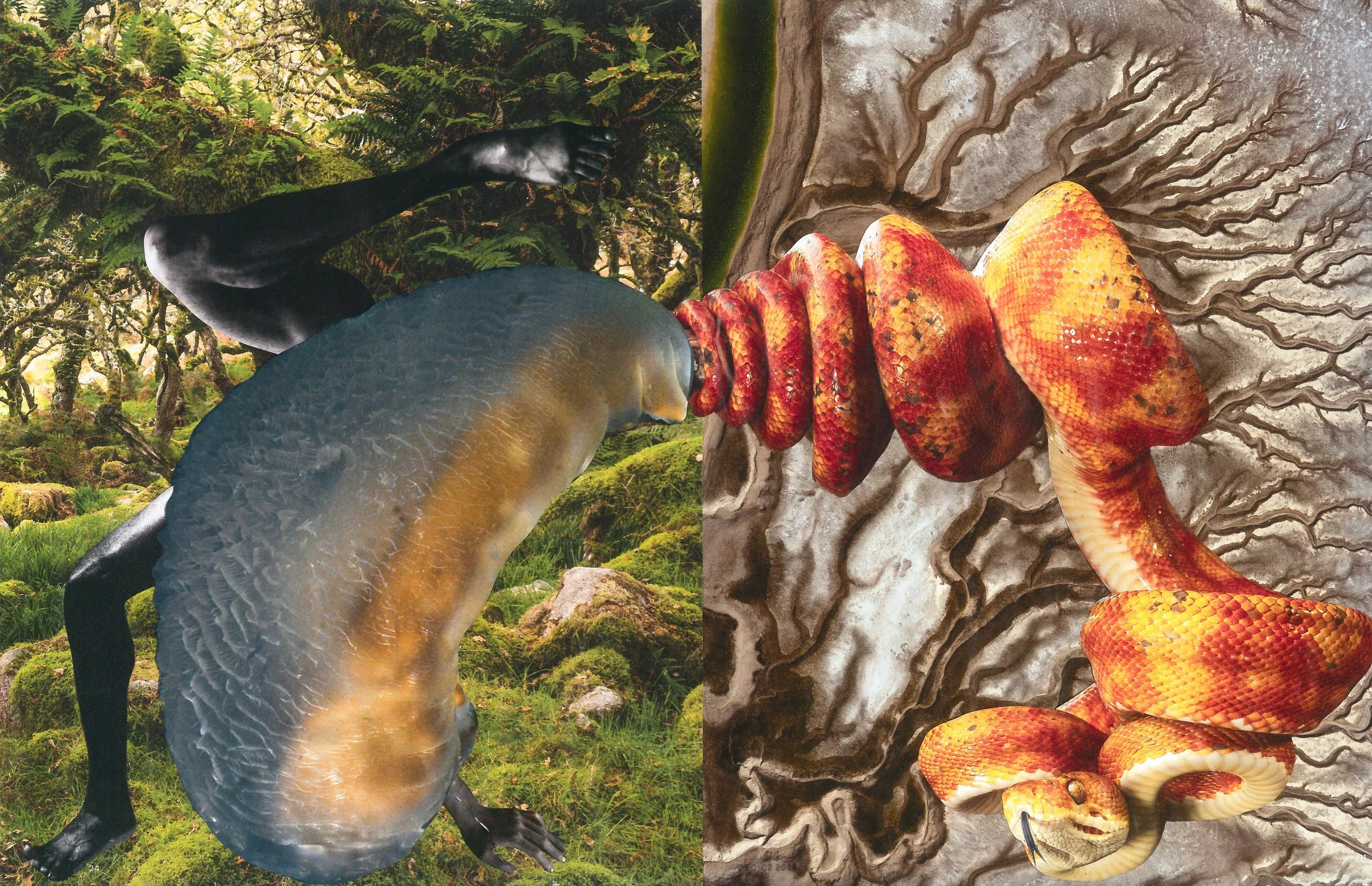

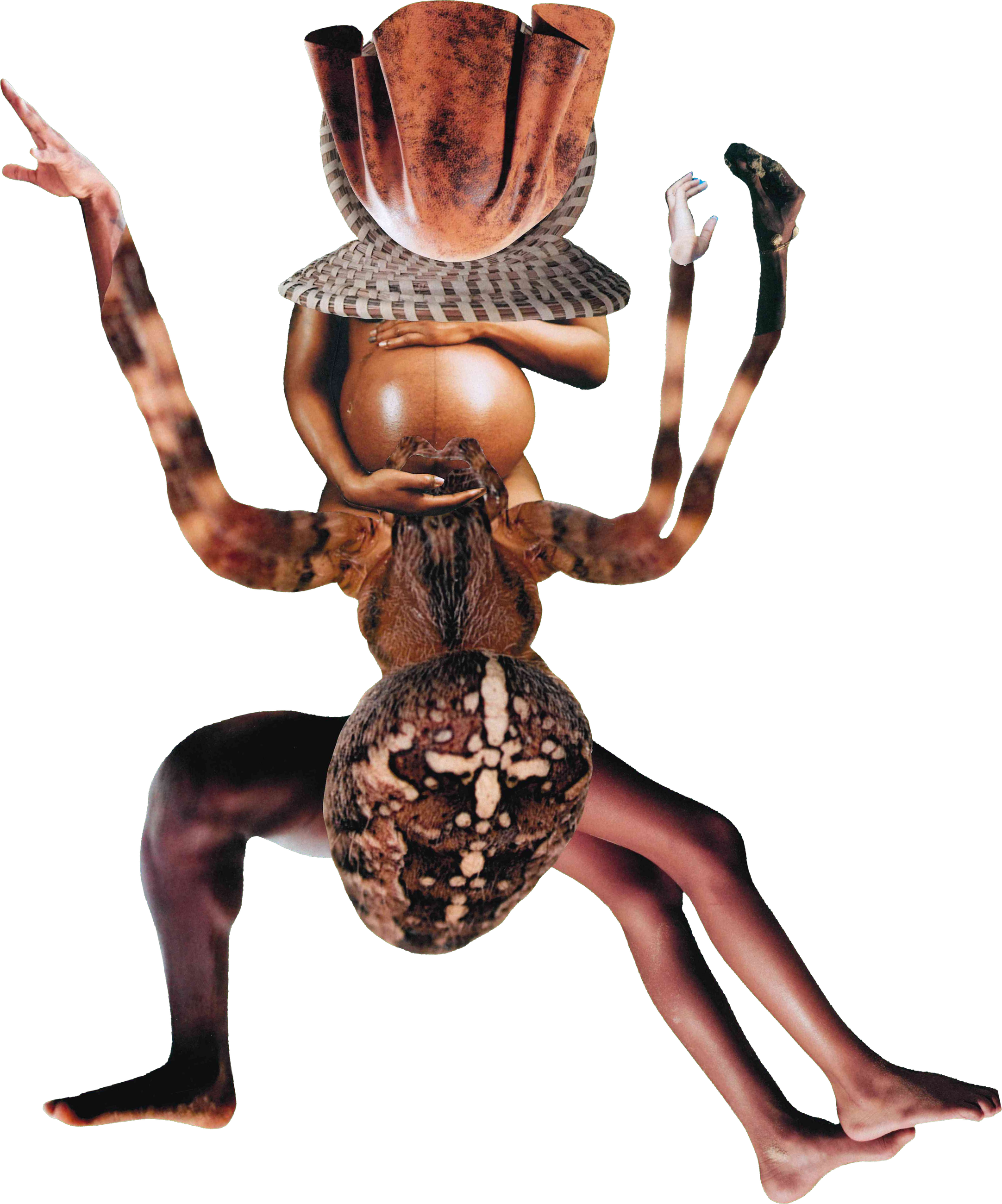
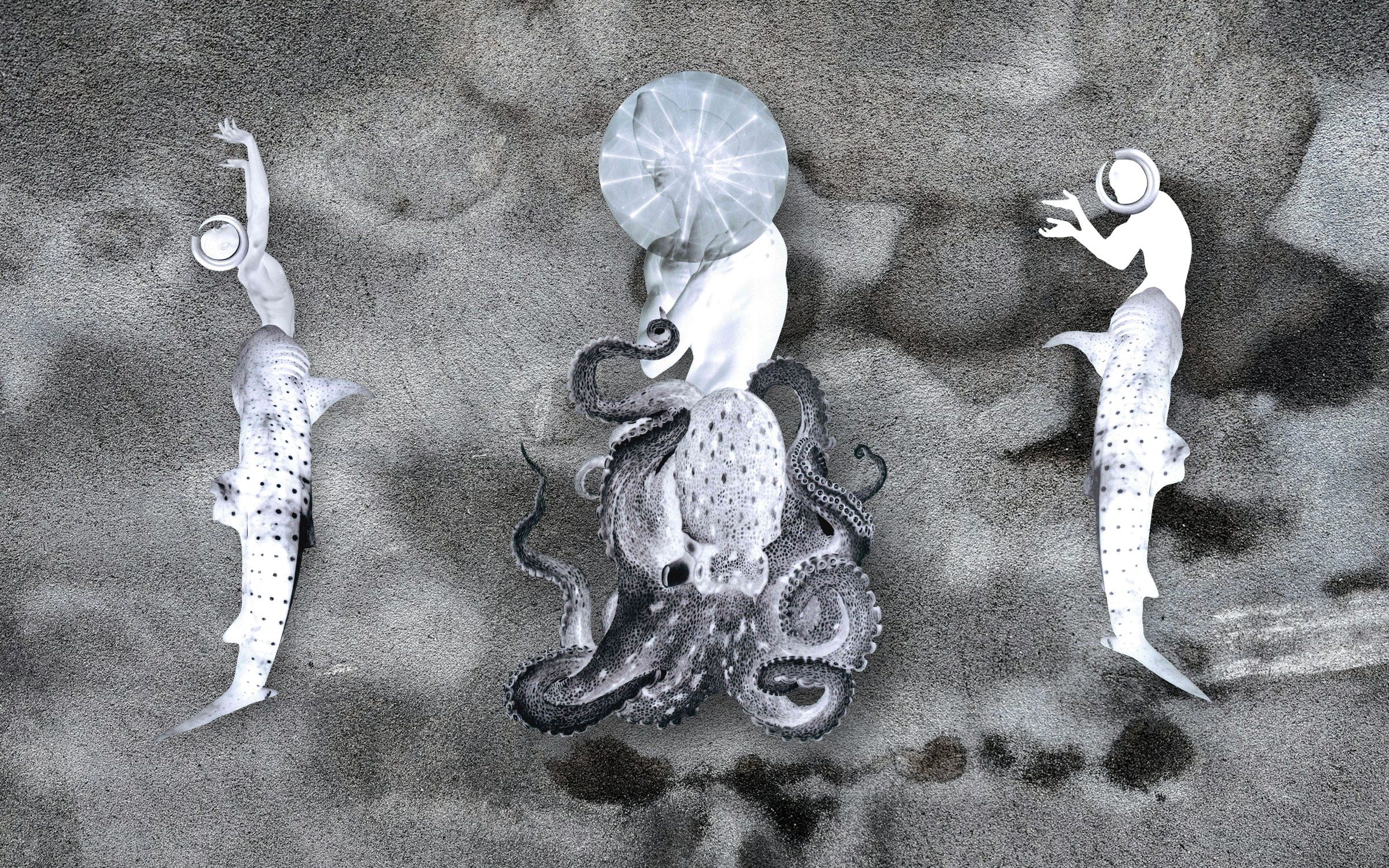
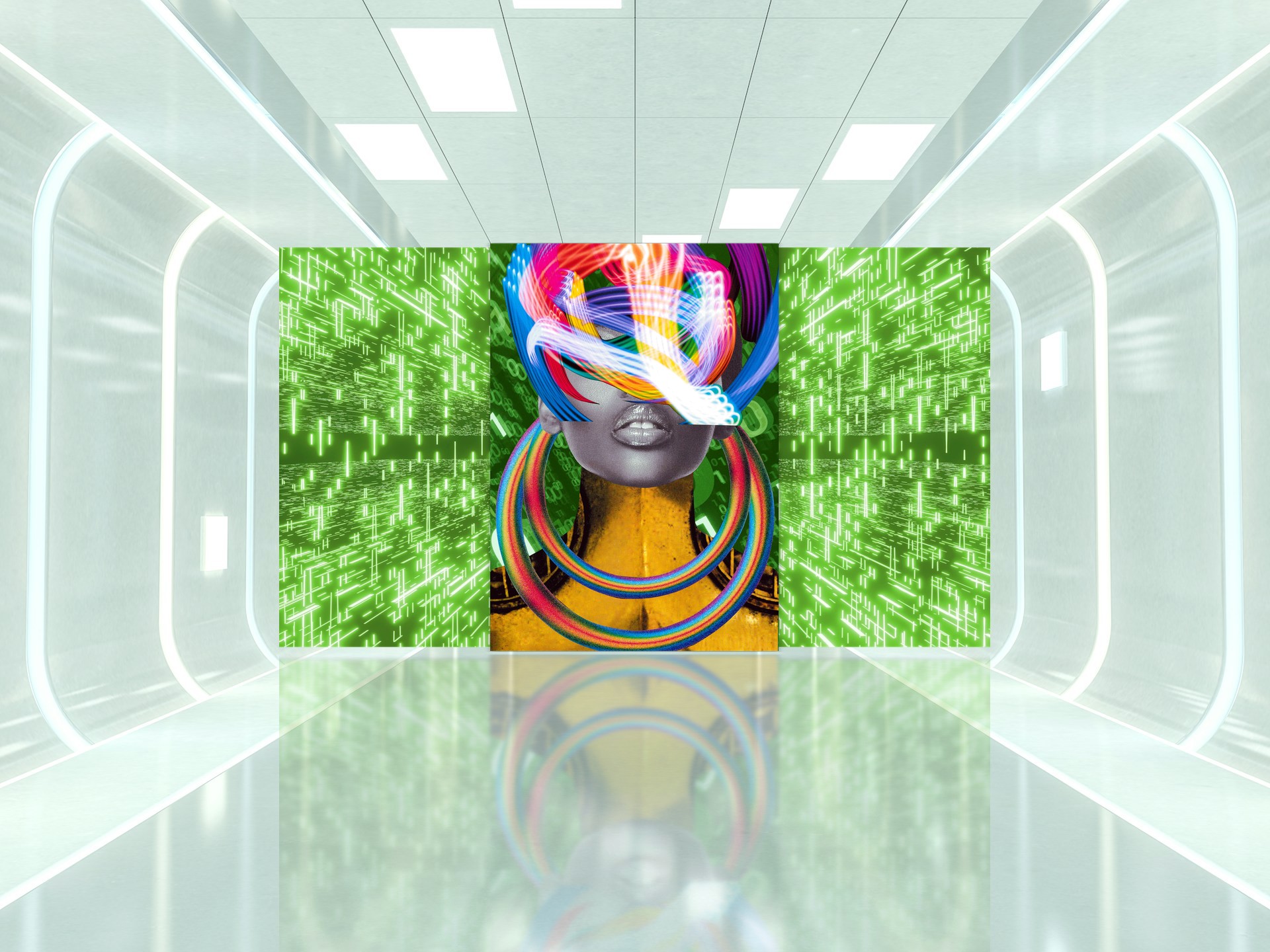
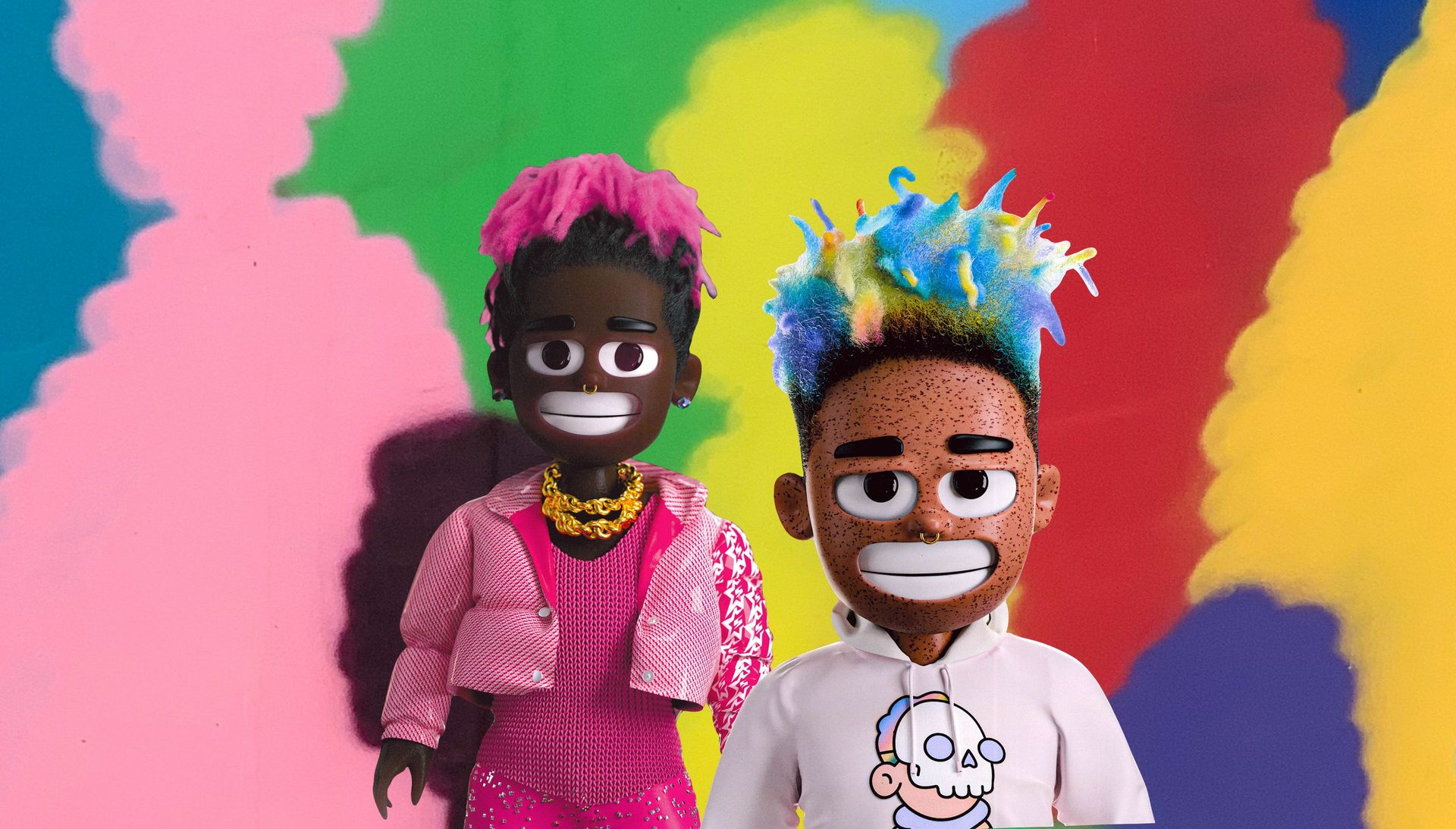
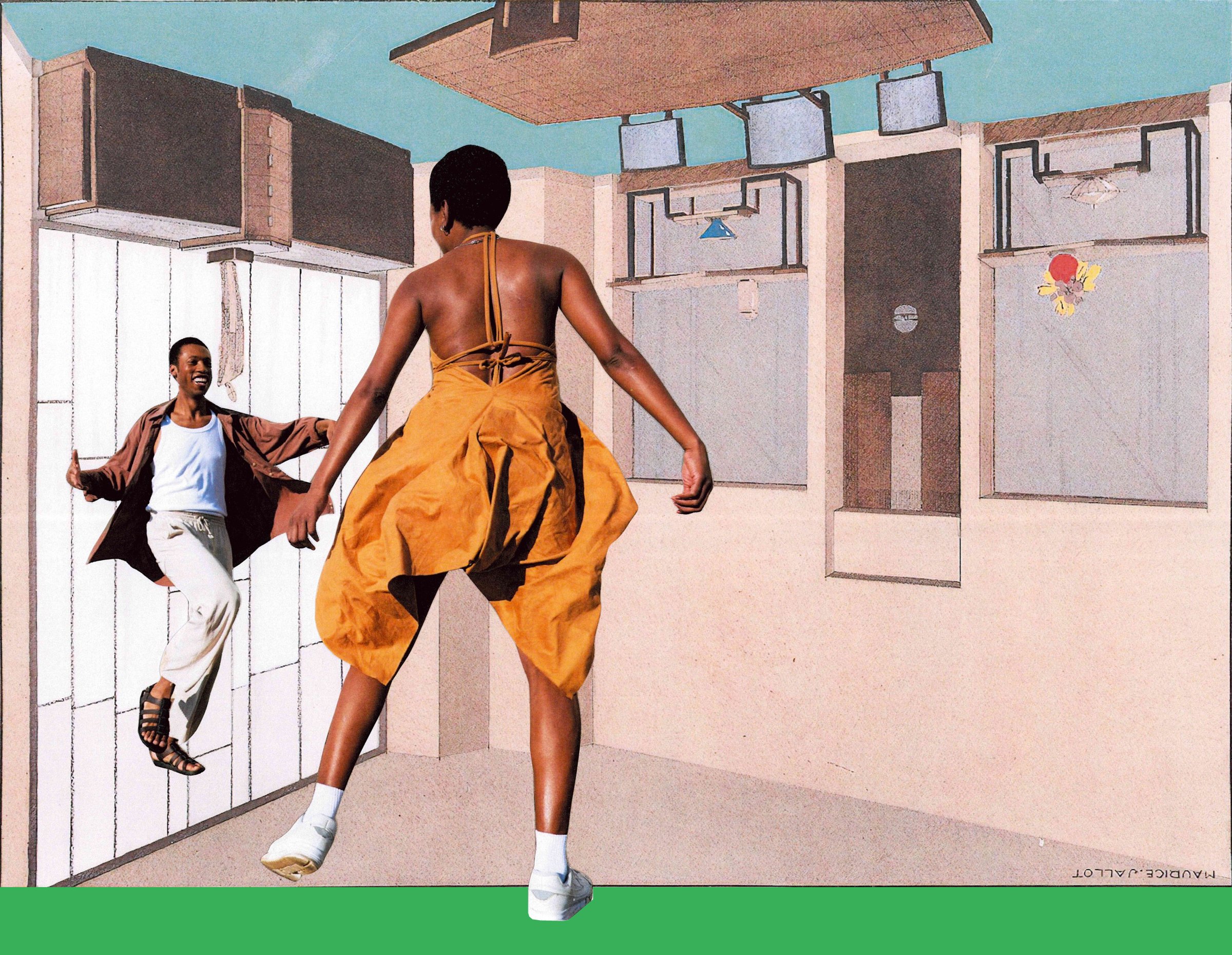
Founded in 2024 by artist Isaiah Lopaz, Black Visual Grammar is a mobile cultural program which utilizes collage making and exhibition practices to engage Black perspectives in an array of themes and subjects. Each edition revolves around a point of inquiry and begins with a two day collage making workshop. During the workshop contributors have access to a vast image archive and other relevant collage materials. Works are documented and later featured in public exhibitions that might include: installations, moving images, sculpture, digital media, site specific works, and printed matter. Black Visual Grammar has been featured in programs curated by Haus der Kulturen der Welt, Theater Rotterdam, Theater Dortmund, The Racial Imaginary Institute, the daad galerie, Cité Radieuse Le Corbusier in Marseille, The European Literature Festival Köln Kalk, Afrika Film Festival Köln, Bahnhof Langendreer, heimaten Festival für die plurale Demokratie, and Endstation Kino.
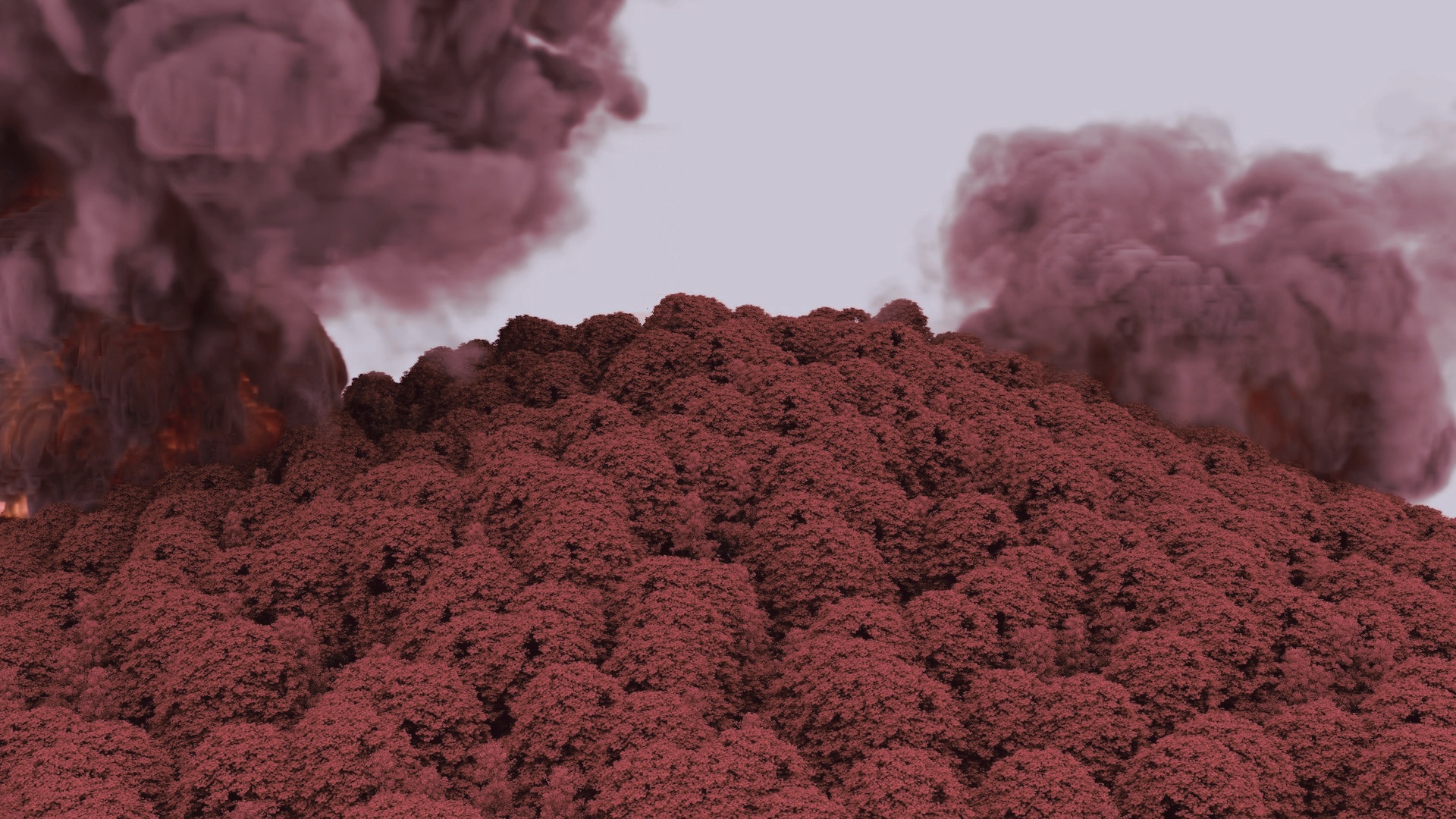
Remarkably Composed / Accidentally Brilliant is a curated watchlist composed of news footage, documentaries, interviews, music videos, film trailers, and scenes from film and television. Primarily underscoring the voices and perspectives of Black women, this selection of videos covers topics that include literature, art, theory, love, disability, queerness, Black feminism, spirituality, and so much more.
The title draws from two separate descriptions of Black women being interviewed: a mother who was described by a news anchor as being “remarkably composed” after the death of her child, and a young Black German musician whose self-styled fashion choices for her premiere music video were described in American Vogue as “accidentally brilliant”. The internet allows an alternative curriculum to surface in video works like these, providing an education that is often missing from “regularly scheduled programming”. I’m drawn to Black perspectives because they provide more accurate mappings of reality, the present, the past, and what it means to be human.
Remarkably Composed / Accidentally Brilliant was part of a larger series of events and formats that I curated and facilitated as part of a six day digital artist residency with Iwalewahaus & the University of Bayreuth. This work is a precursor to the work that I do for Black Visual Grammar as an archivist, facilitator, and curator.
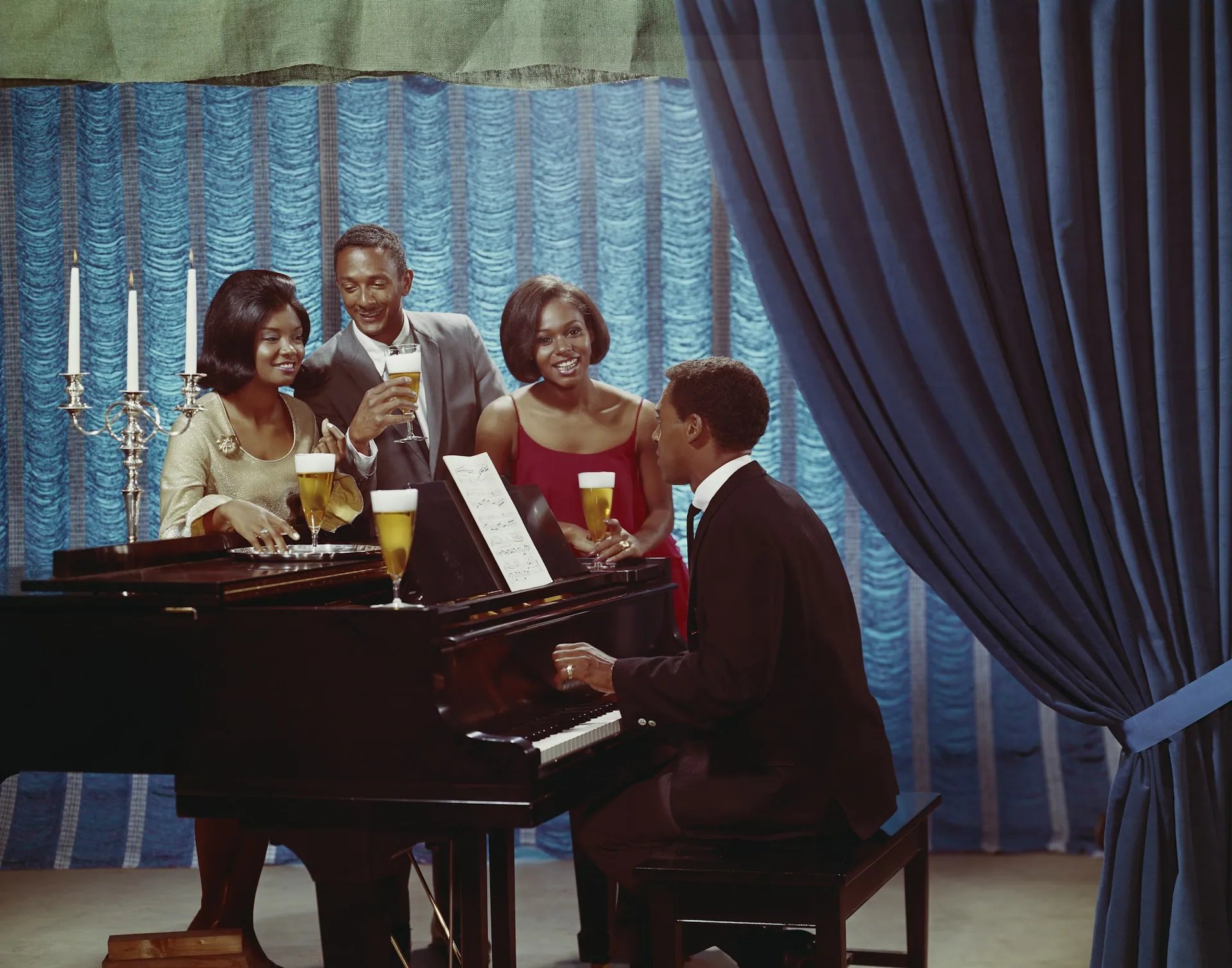
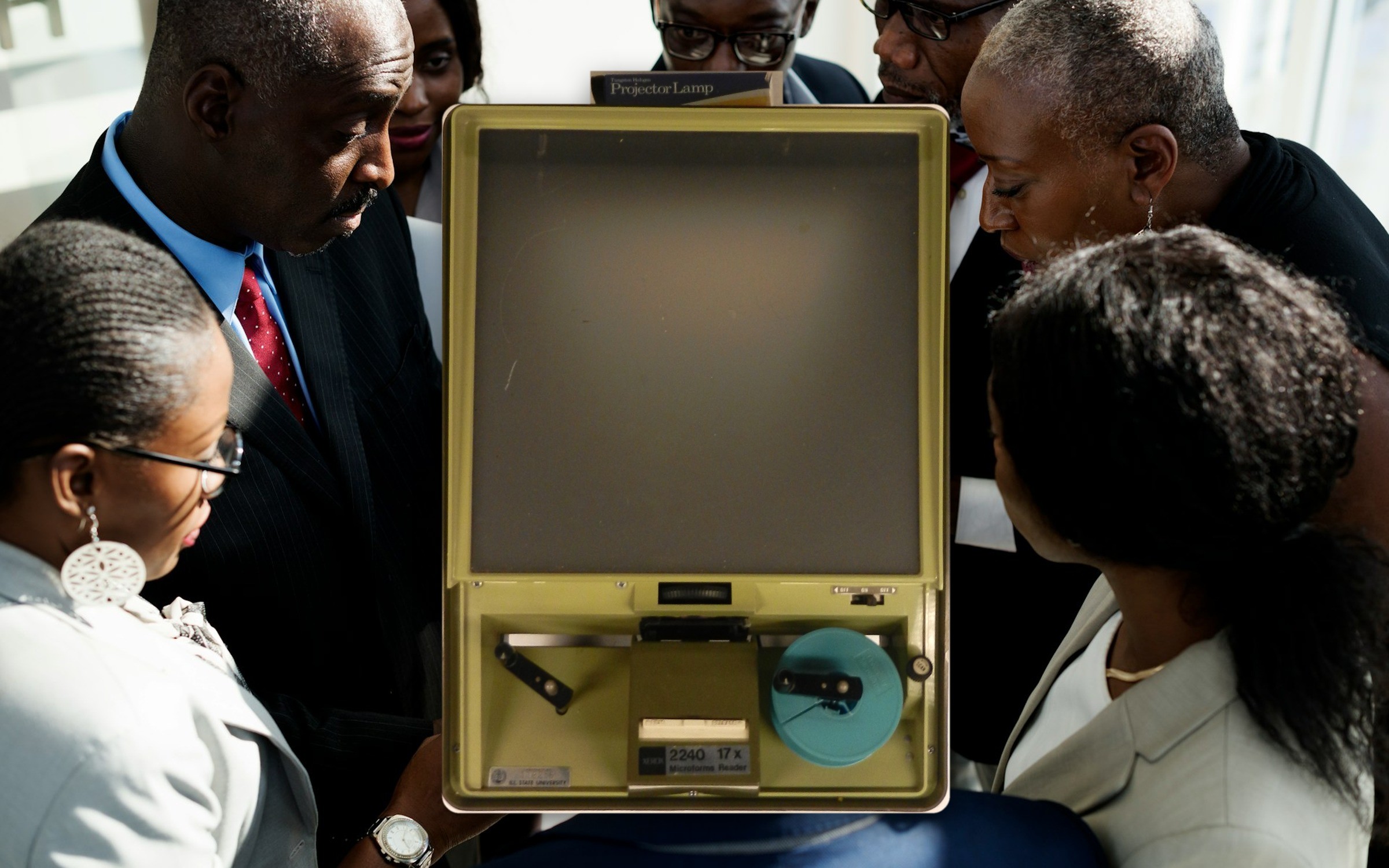
Comprised of portraits, paintings, reportage, fashion, candids, and archival imagery, Black Life is a collection of images that I’ve been archiving for future editions of Black Visual Grammar. Each edition of Black Visual Grammar begins with a series of collage workshops. Present at each workshop is an archive of images and other relevant collage materials that contributors have access to. My practice of maintaining the archive involves a process of continuously adding images to it.
The images that I curate for the archive are spliced and sequenced in ways that it would never occur to me to arrange them, and yet across editions it feels like each contributor and I are involved in co-creating visual choreographies. Sometimes I think of the images as beats or samples, and myself as a synthesizer. Each contributor is a composer drawing from the samples that I make available for them to experiment with.
In this selection of images from Black Life, Black people rest, play, commune, travel, transcend, work, and reflect. In some of these photographs, individuals and groups present themselves to the camera, to the person “taking their photographs”, and to us. In other images, they are engaged in private moments, or actively telling stories in collaboration with those behind the camera. The opening image for this selection appeared during my research just before work on this entry began. Its title rhymes with the sentiments and title of the overall collection: “Aspects of Negro Life”, created by African American painter Aaron Douglas. I’m curious to see how images in this collection will circulate within editions of Black Visual Grammar. Which themes and subjects will they be placed into conversation with?
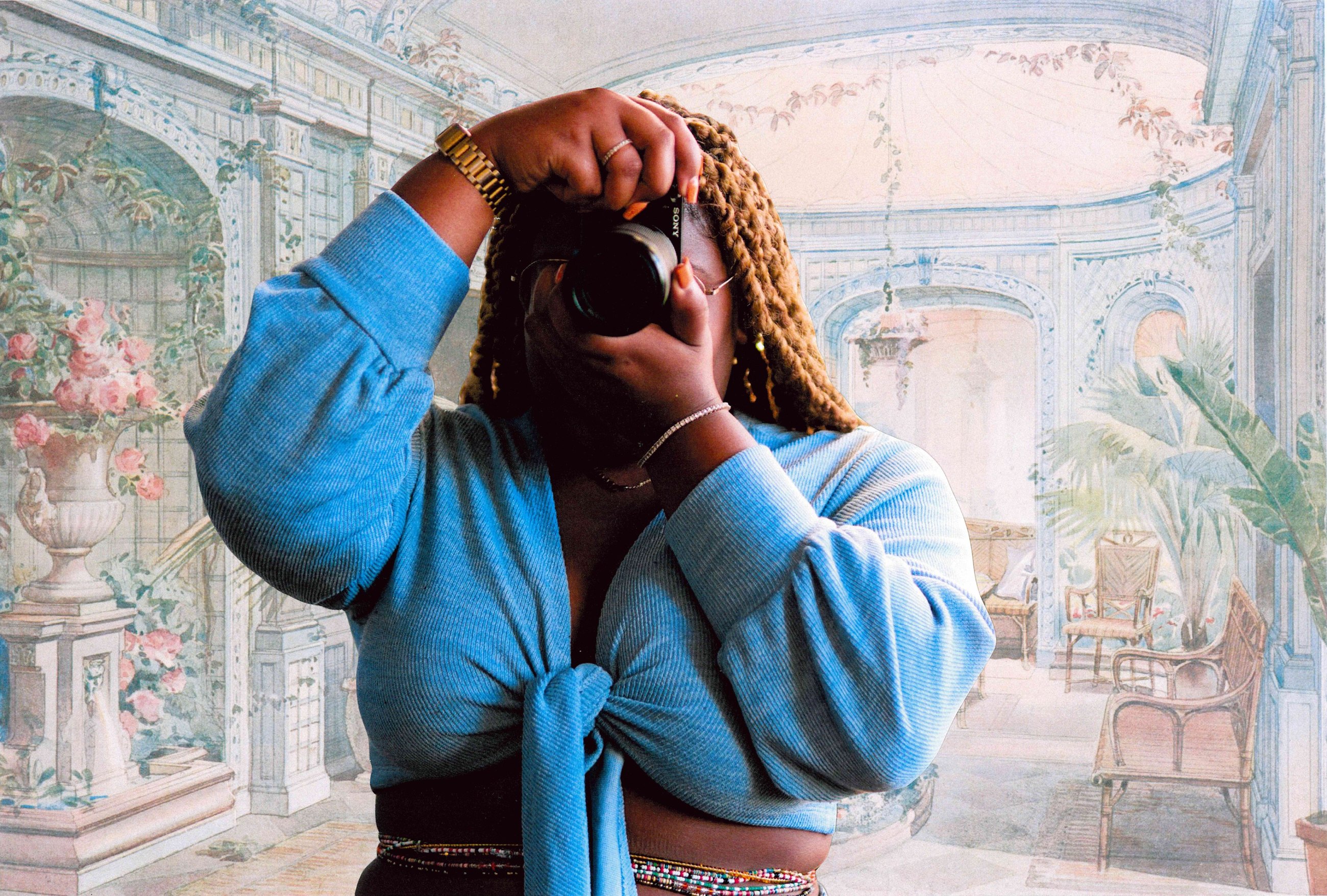
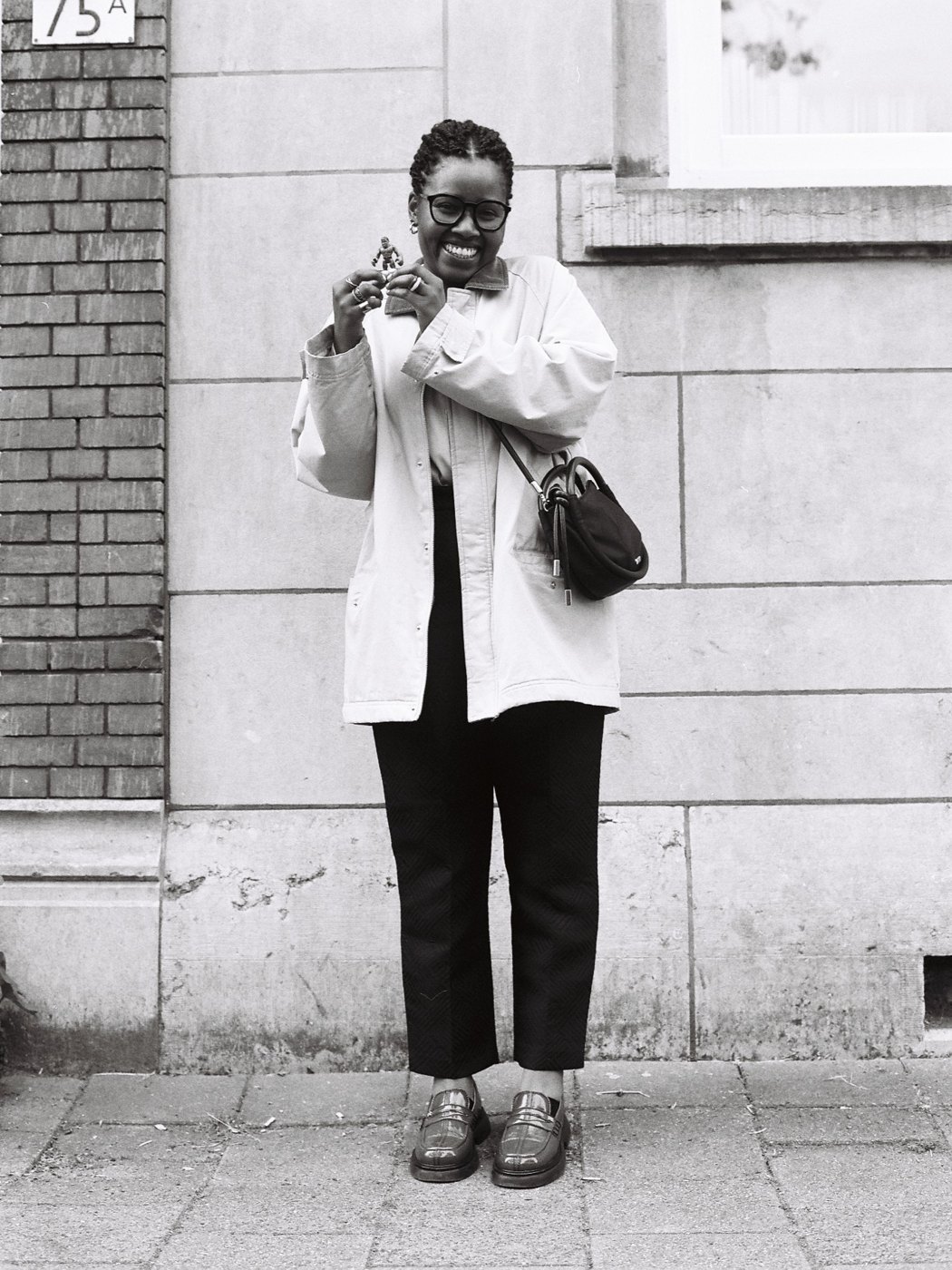
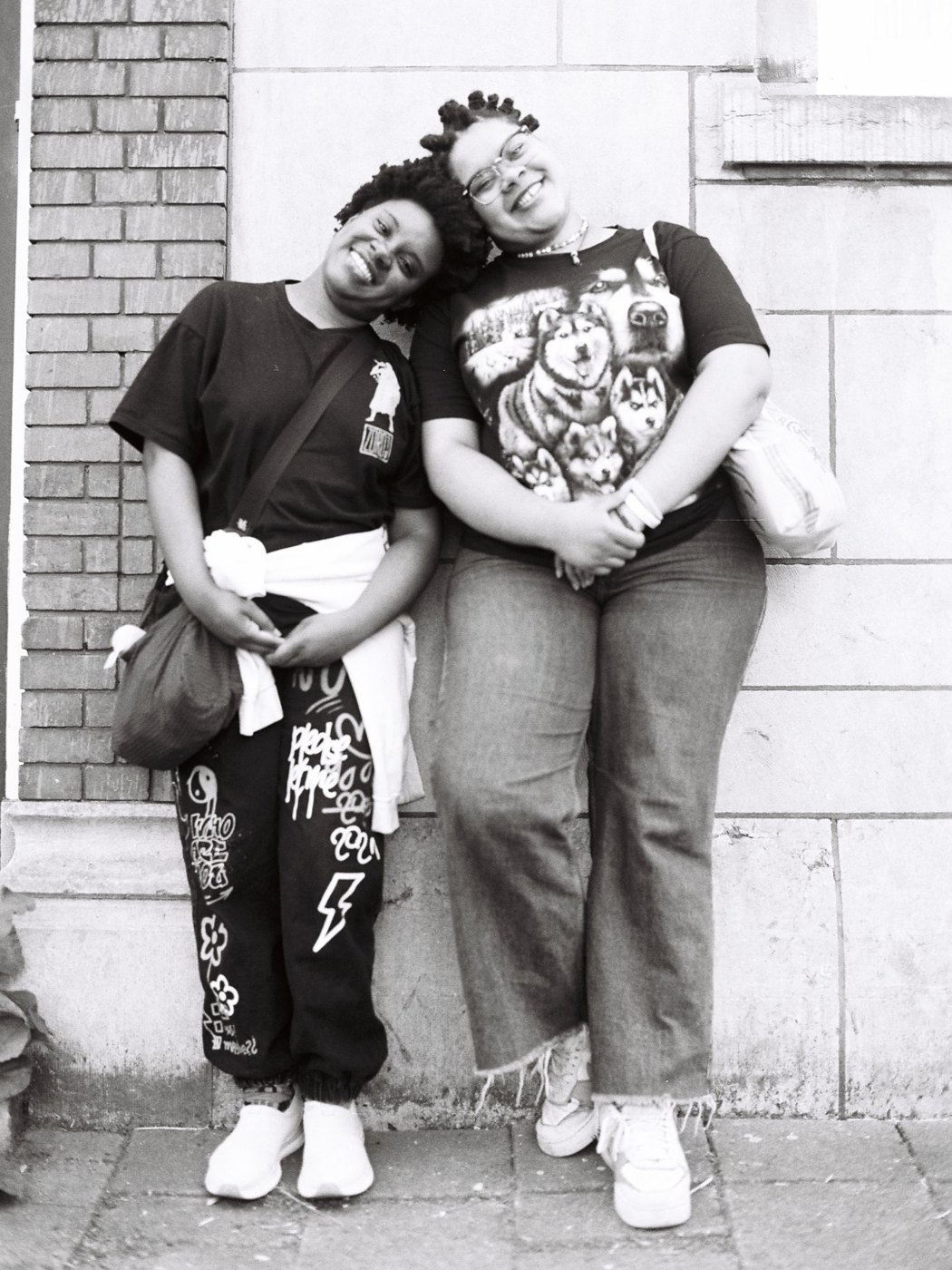
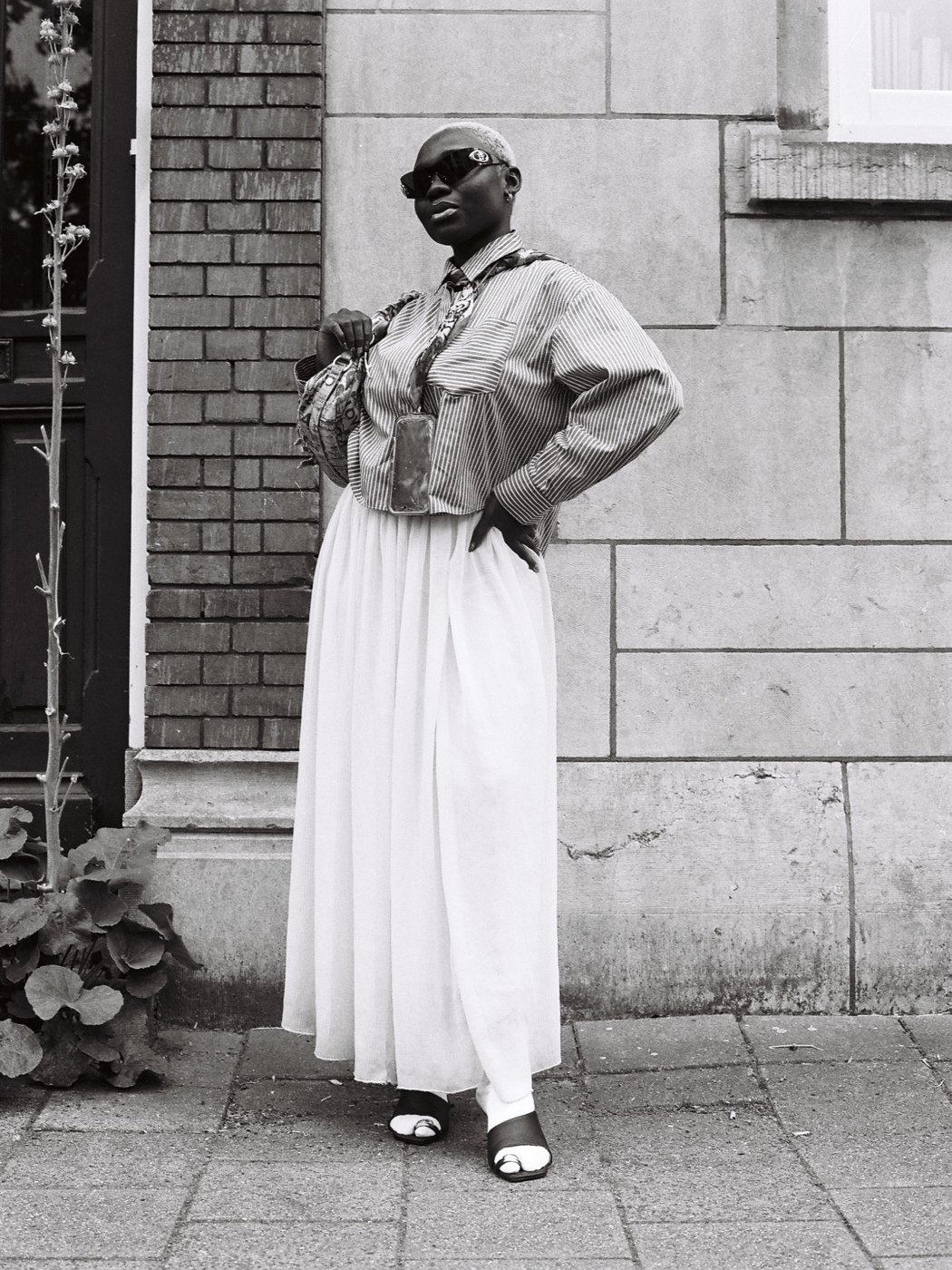
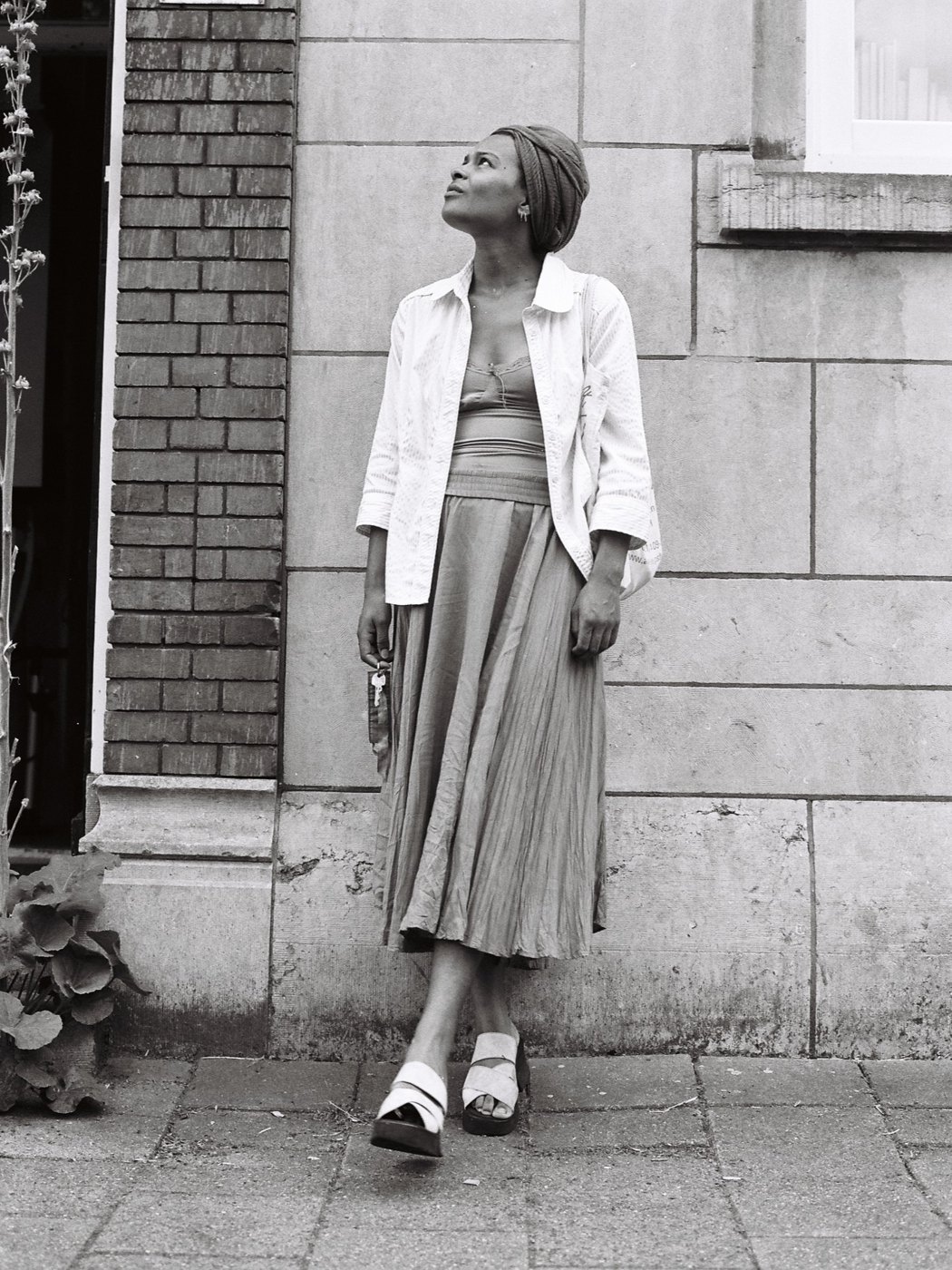
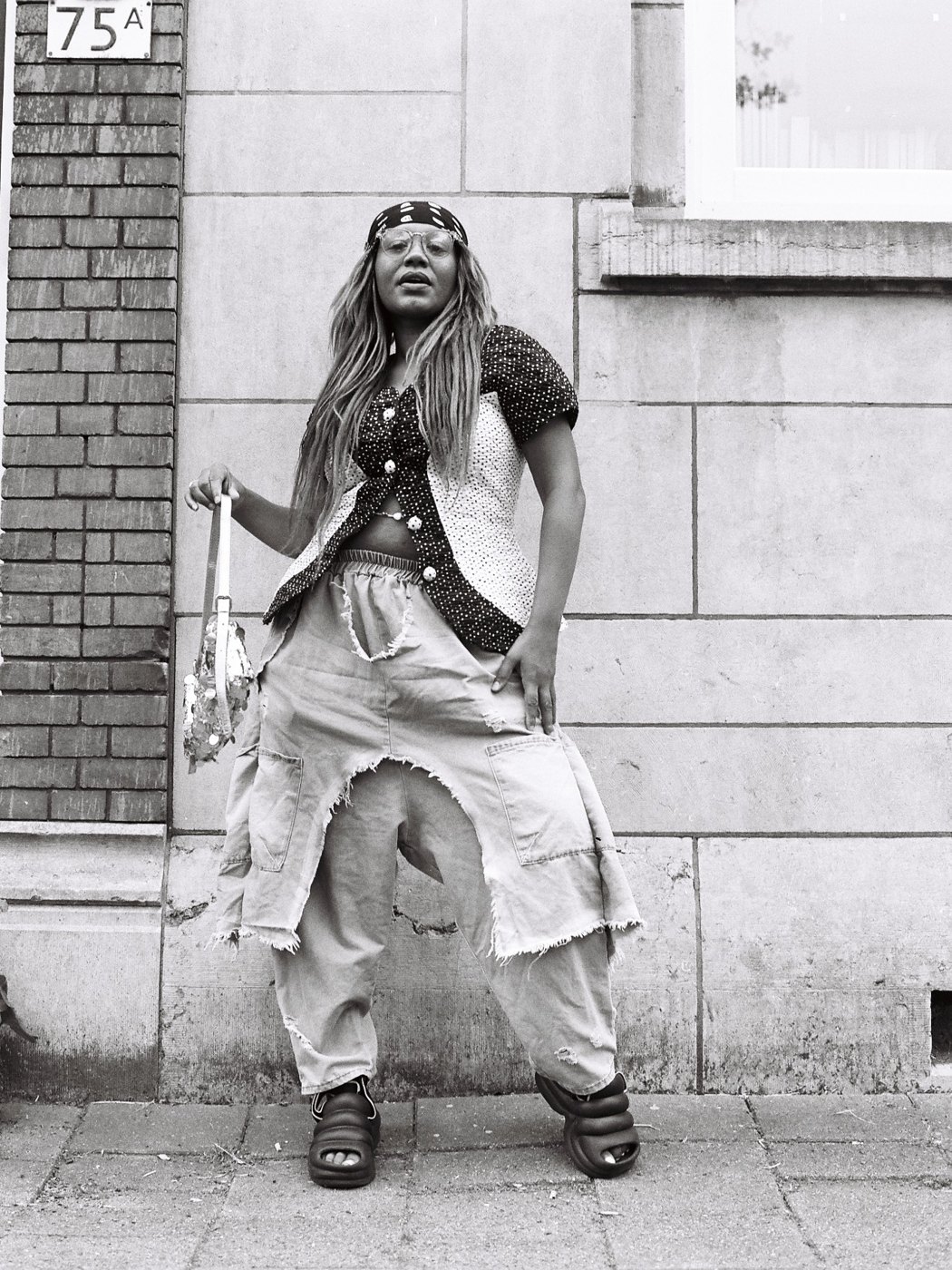
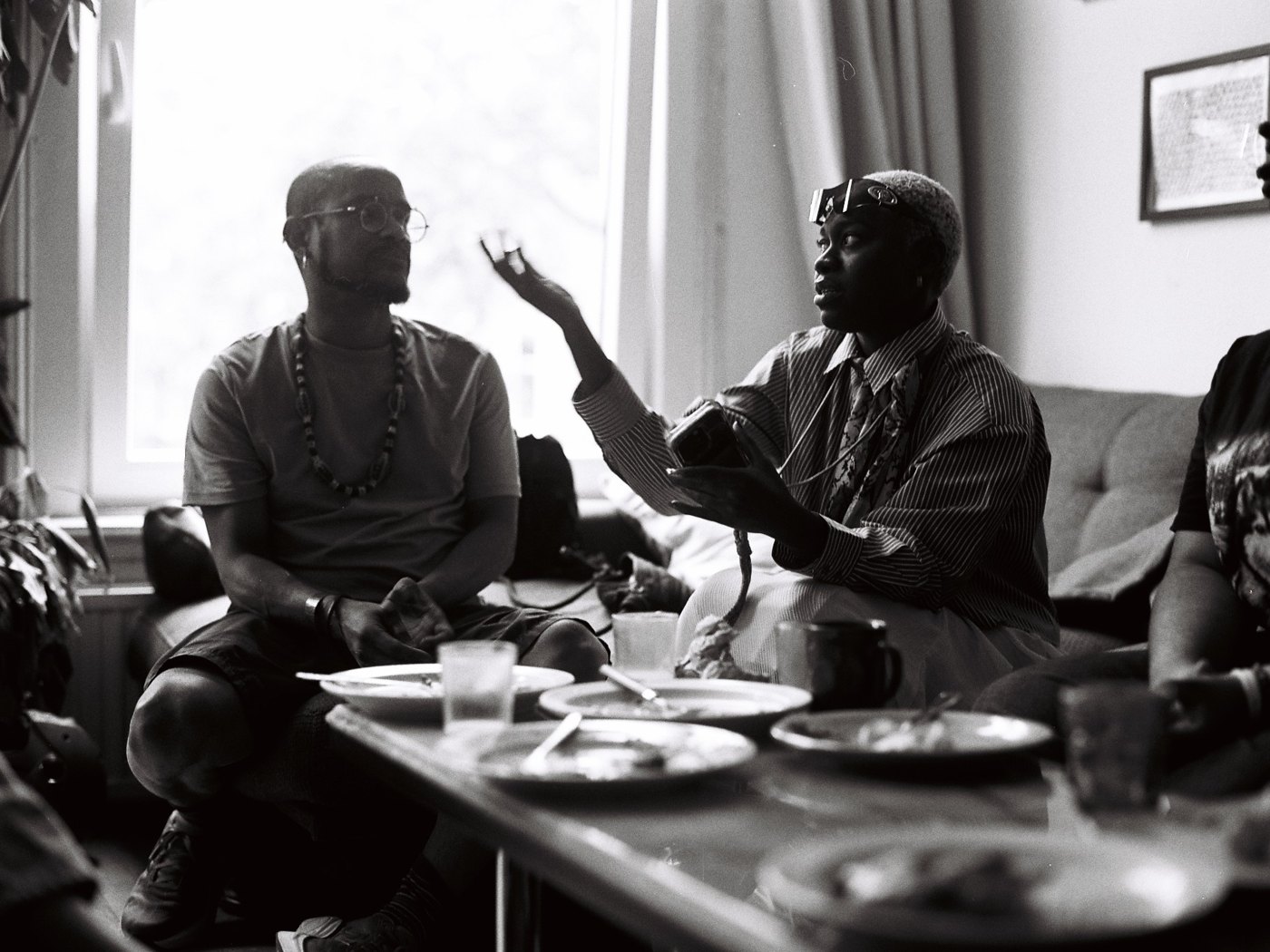
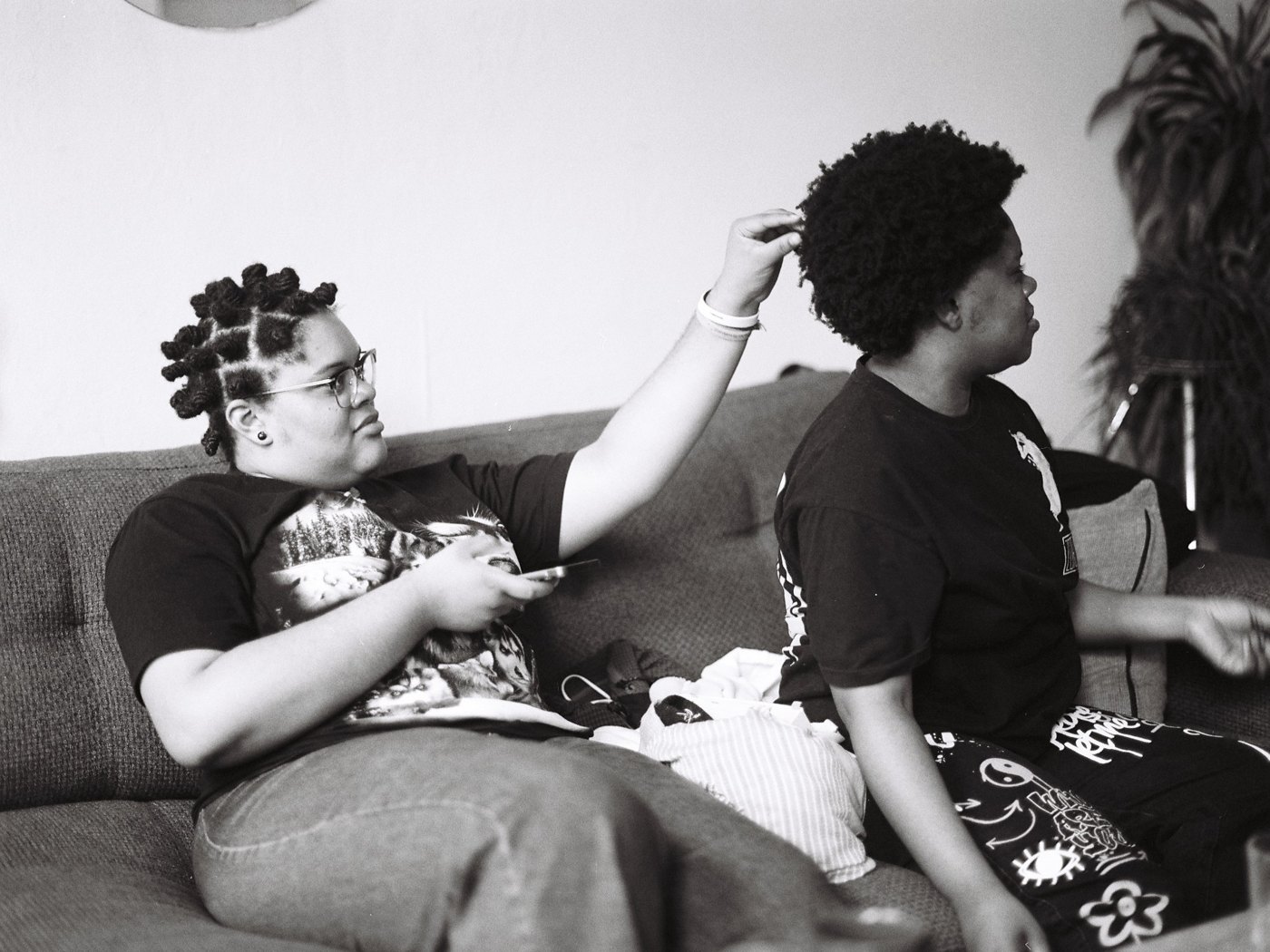
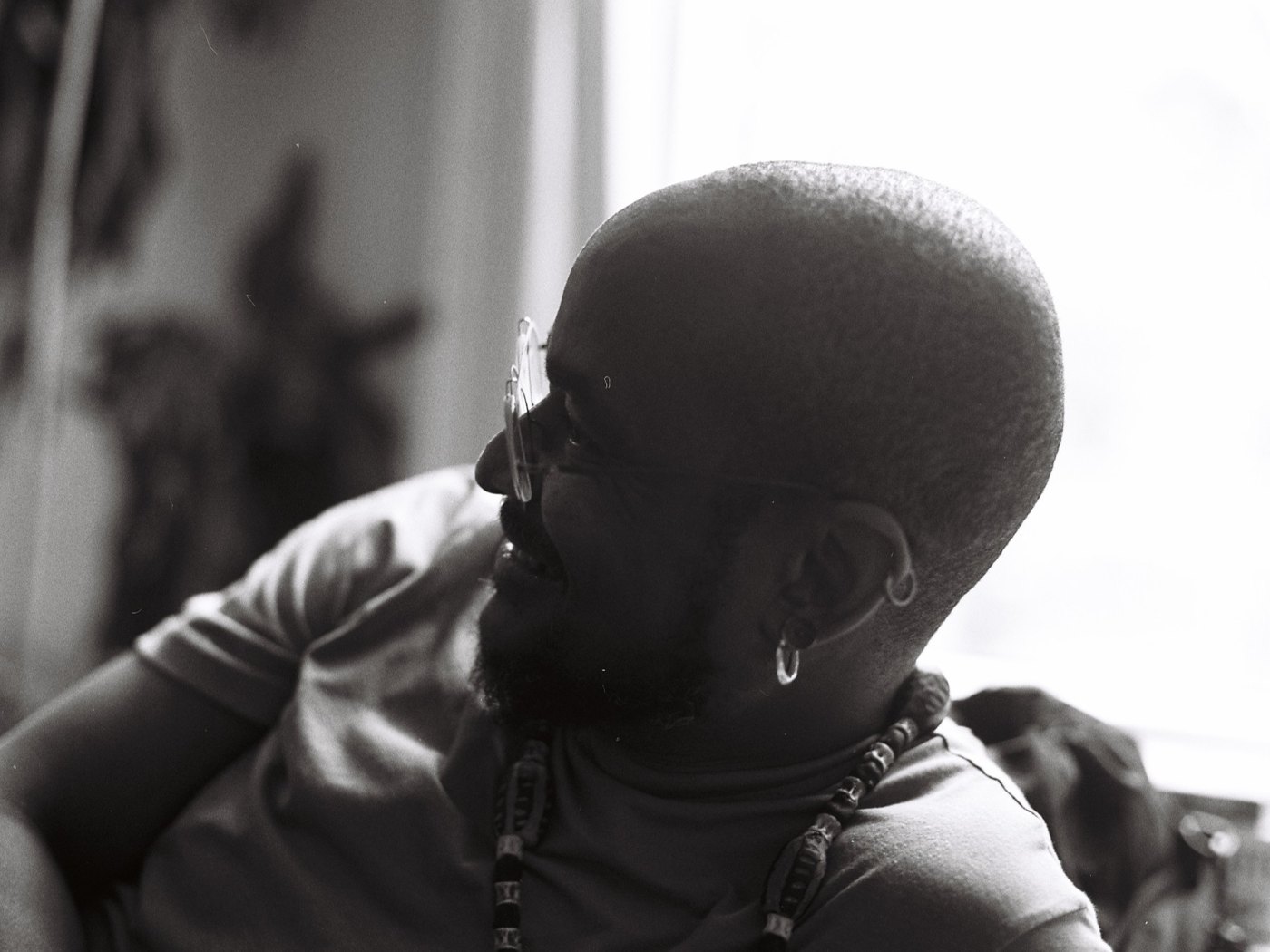
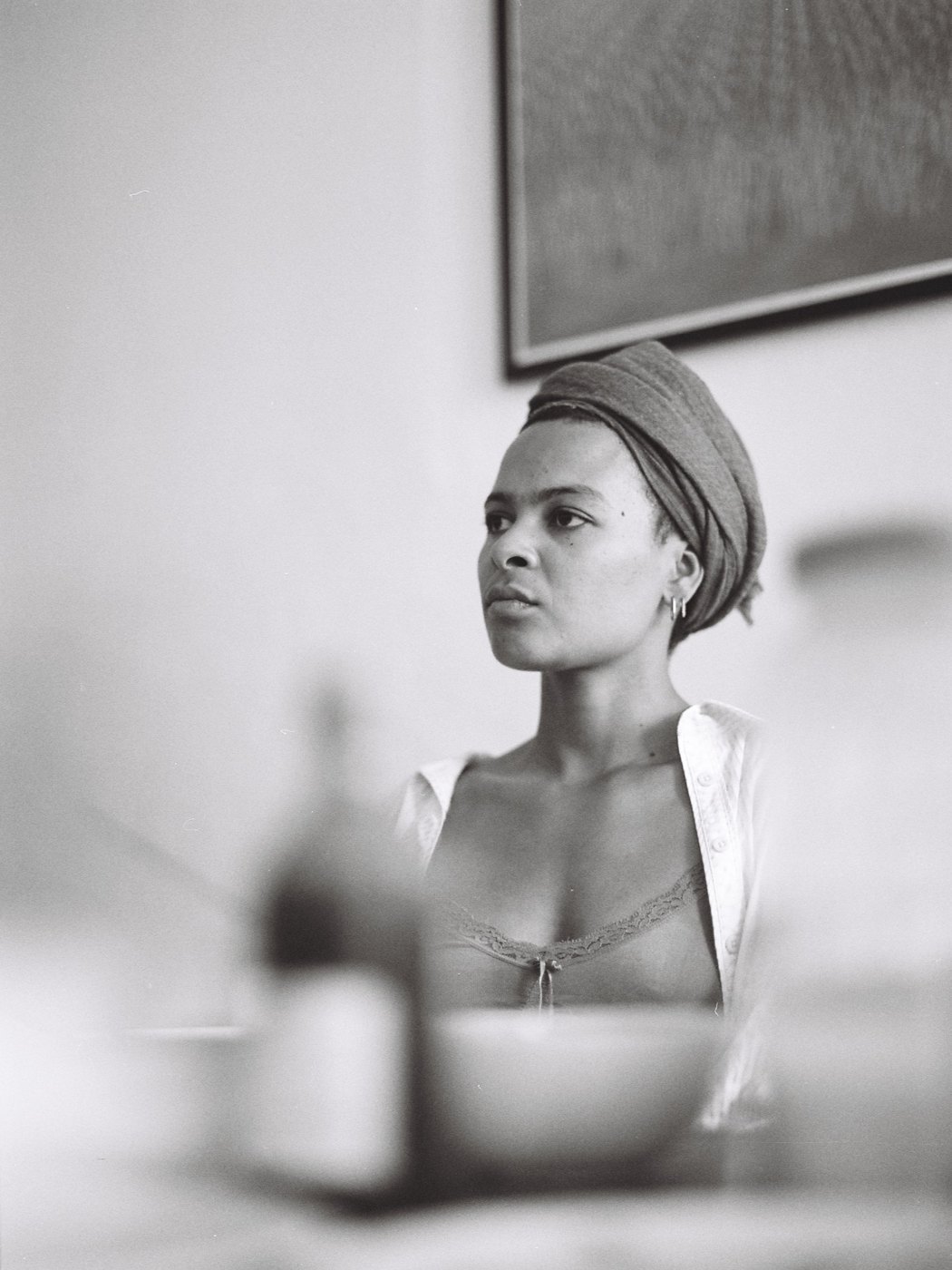
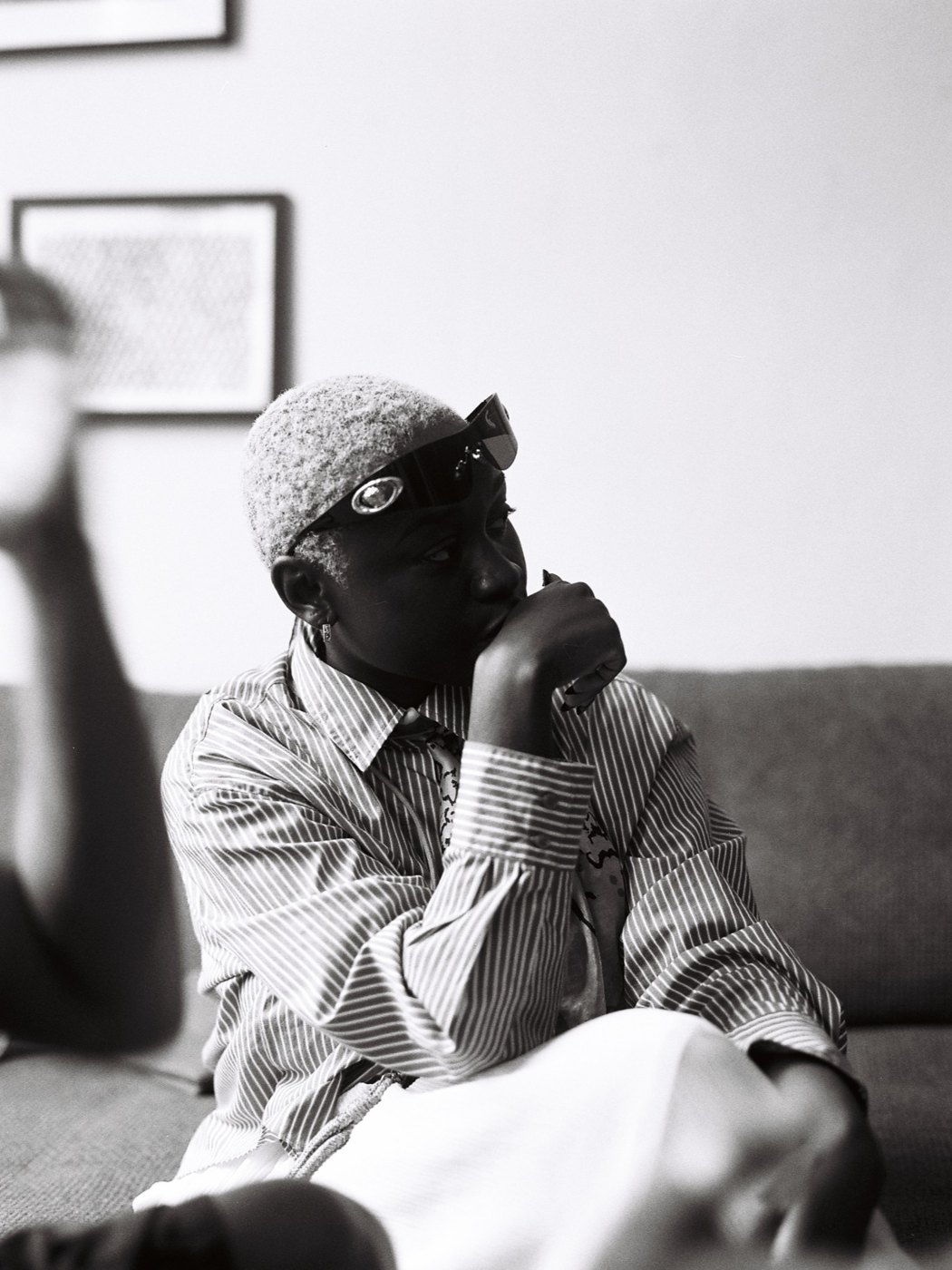
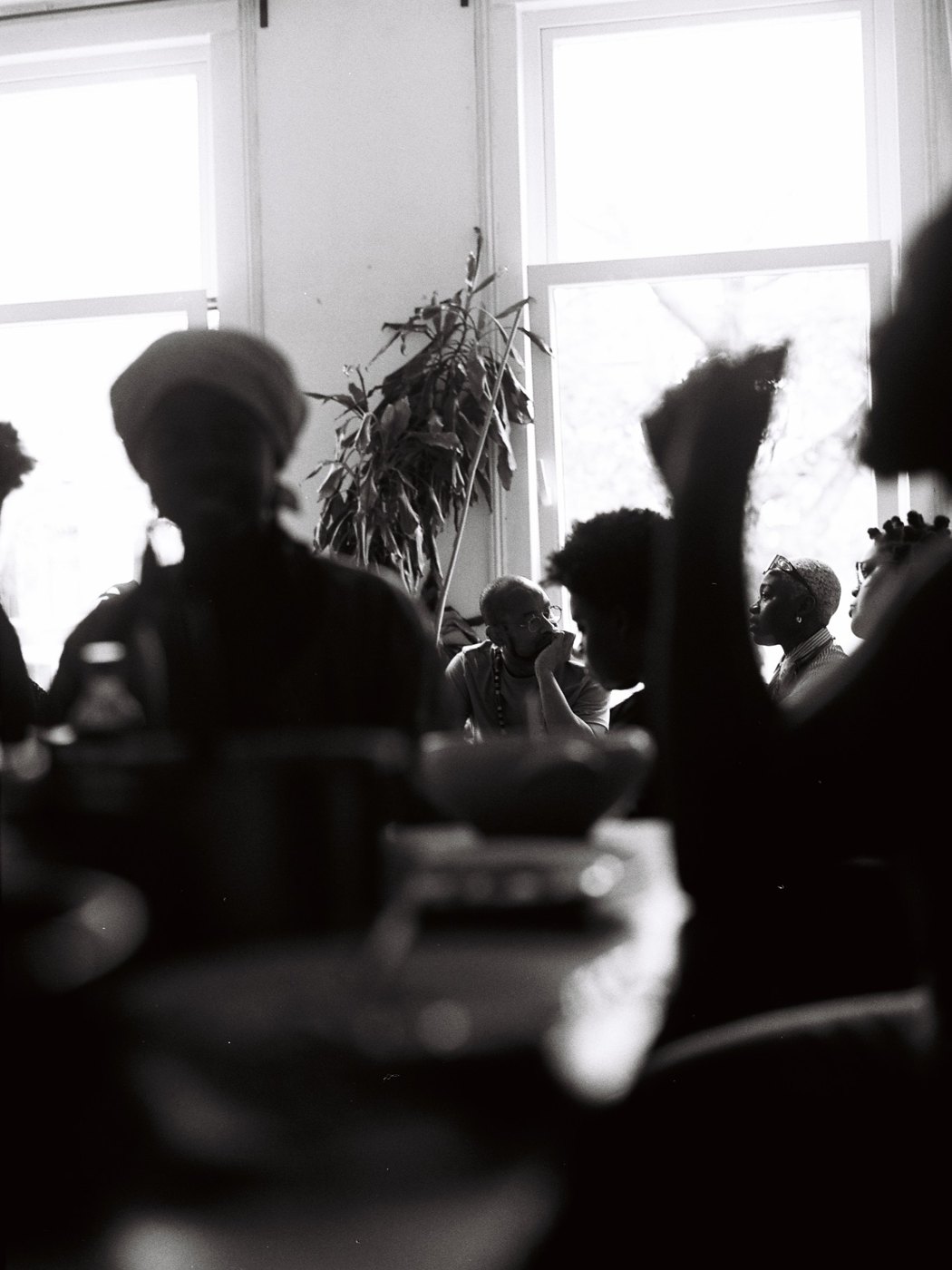
As soon as it was safe(r) to meet and gather, I began hosting small dinners at my flat in Berlin. These events brought together friends, comrades, and sometimes people that I didn't know very well at all. “Just bring yourself” is the official motto of these assemblies where I prepare plant based Mexican food. One of my spiritual mentors remarked over dinner, “Isaiah, you have the gift of bringing people together.” I'm always willing to take a chance on getting to know a friend of a friend, and because of this, my friends often connect me with people that they know who are local in the cities where I am local, or who are just visiting. It's quite common for me to host a lunch or dinner in these instances to bring people together. I'm often reminded in these moments of long histories of Black artists, academics, activists, and innovators hosting salons, dinners, performances, and exhibitions in their homes. These gatherings are safer spaces, but also spaces where knowledge transfer unfolds, and where inspiration is often found. Friend, comrade, and chosen family member Jeff AM is an artist who is often at my home. The above images were taken by Jeff in late summer 2026. My home is a place where other Black people that I'm close to know they can come to visit, work, rest, play, and meet others. Facilitating these spaces is also an important part of my artistic practice.
Photographs taken by Jeff AM
Notes
For inquiries please contact Isaiah Lopaz at: